 Home
Home About Us
 Contact Us
The Business Case for EV Charging at Workplaces in USA
Published on: 18/02/2026
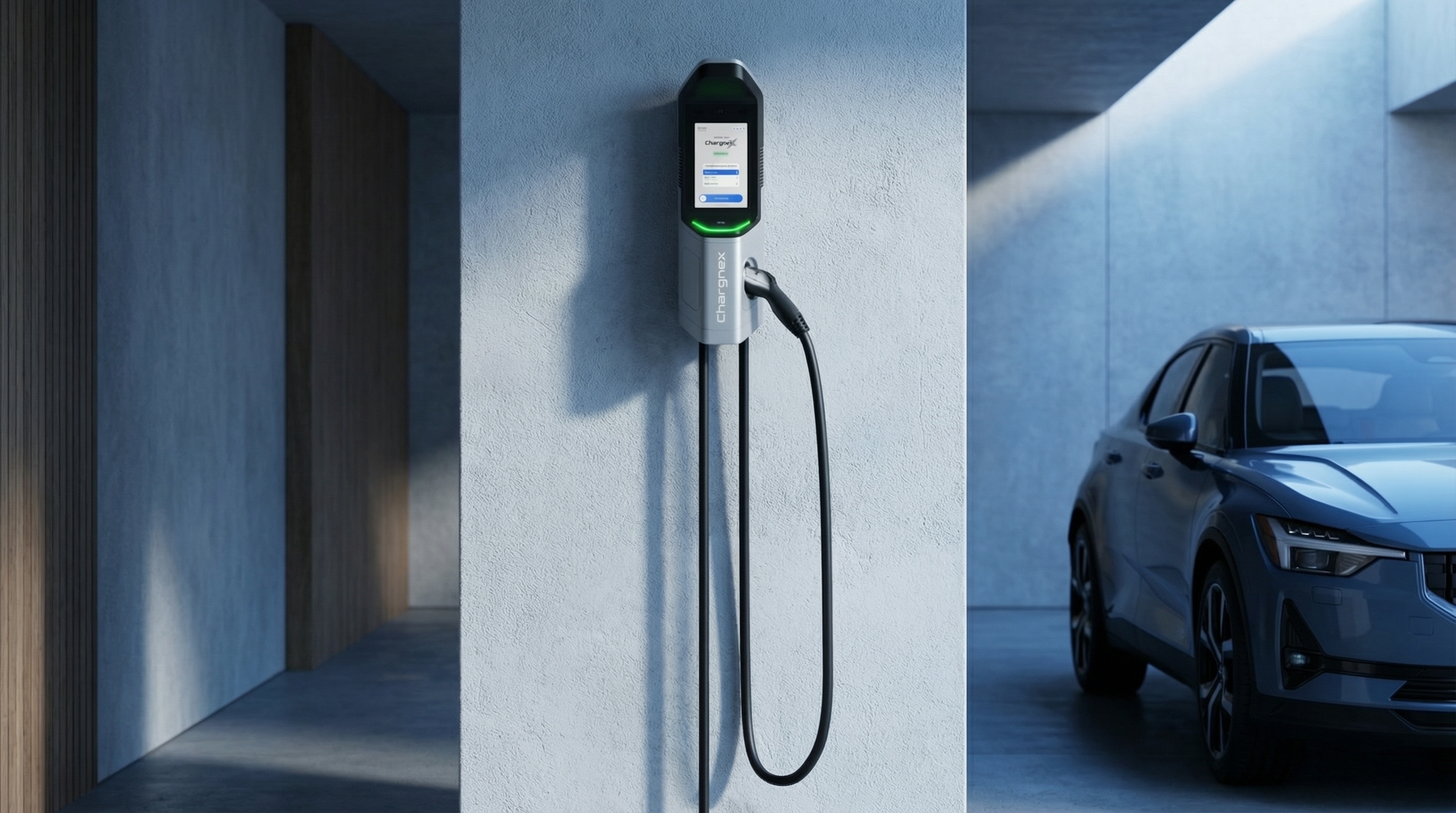
Why Offices Are Turning Parking Lots into Charging Hubs
Electric vehicle adoption in the United States is accelerating rapidly. As more employees switch to EVs, workplaces are beginning to see EV charging not just as an amenity, but as a strategic infrastructure investment.
For forward-thinking companies, installing EV chargers at the workplace creates value across multiple dimensions — employee satisfaction, sustainability goals, and even revenue generation.
Here’s why EV charging is becoming an essential part of modern workplaces across the USA.
1. A Workplace Benefit Employees Actually Use
Many workplace perks sound good on paper but rarely get used. EV charging is different.
Employees who drive electric vehicles rely heavily on convenient charging access during the day. When workplaces provide charging infrastructure, it becomes a highly valued benefit that employees interact with daily.
Providing EV charging helps companies:
- Attract talent who prioritise sustainable employers
- Improve employee satisfaction
- Support employees transitioning to electric vehicles
As EV ownership grows, this benefit will only become more important.
2. Turning Parking Into a Revenue Opportunity
Office parking lots are traditionally underutilised assets. EV charging allows businesses to transform these spaces into revenue-generating infrastructure.
Companies can set their own pricing per kWh and recover installation costs over time.
Instead of parking spaces sitting idle all day, they become part of an energy service ecosystem that can generate recurring income.
Charging revenue can come from:
- Employees charging during work hours
- Visitors using chargers during meetings or events
- Public access during off-hours
3. Supporting Corporate Sustainability Goals
Many companies today have public ESG commitments and sustainability targets.
Installing EV charging infrastructure is one of the most visible and practical ways to support those commitments.
Workplace charging contributes to:
- Reduced transportation emissions
- Support for clean energy adoption
- Demonstrating measurable sustainability progress
Unlike policy statements or pledges, charging infrastructure represents a real operational shift toward cleaner mobility.
4. Preparing for the Future of Transportation
US EV adoption is growing each year, supported by federal incentives and stricter emissions standards.
Workplaces that install charging early benefit from:
- Lower installation costs
- Better parking layout planning
- Higher utilisation as EV adoption grows
Companies that delay installation often face higher retrofit costs and limited electrical capacity later.
Planning charging infrastructure now ensures American businesses are ready for the future workforce and vehicle ecosystem.
5. Access to Government Incentives
The United States offers several federal, state, and utility incentive programs to encourage EV charging deployment.
Programs like the National Electric Vehicle Infrastructure (NEVI) formula program, state clean-fuel grants, and Section 30C alternative fuel infrastructure tax credits can offset a significant portion of installation costs.
These incentives help businesses deploy charging infrastructure with lower upfront investment while accelerating the nation’s transition to electric mobility.
Choosing the Right EV Charging Setup
Not every workplace has the same needs.
For offices where employees park for the entire workday, Level 2 AC chargers typically provide the best balance of cost and performance.
For campuses or locations with higher turnover, DC fast chargers can support more vehicles per day.
The right setup depends on:
- Parking duration
- Electrical capacity
- Number of EV drivers
- Growth projections
Final Thoughts
EV charging is quickly becoming a standard feature of modern workplaces. Businesses that adopt early gain a competitive advantage in attracting talent, supporting sustainability goals, and maximising the value of their parking infrastructure.
As electric vehicles become more common on American roads, workplace charging will move from a competitive differentiator to a basic expectation.
Organisations that invest today are positioning themselves for the next decade of transportation.
Ready to Add EV Charging to Your Workplace?
Chargnex helps US businesses design, install, and operate EV charging infrastructure that works for both employees and operations.